
Snap has opened preorders for Specs, its first standalone augmented reality glasses, at $2,195 (roughly ₹1.9 lakh at current exchange rates, though Snap has not announced Indian pricing or availability). The company detailed the launch at an event in Los Angeles on September 16, alongside a carrier partnership with Verizon in the US, Orange in France, and EE in the UK.
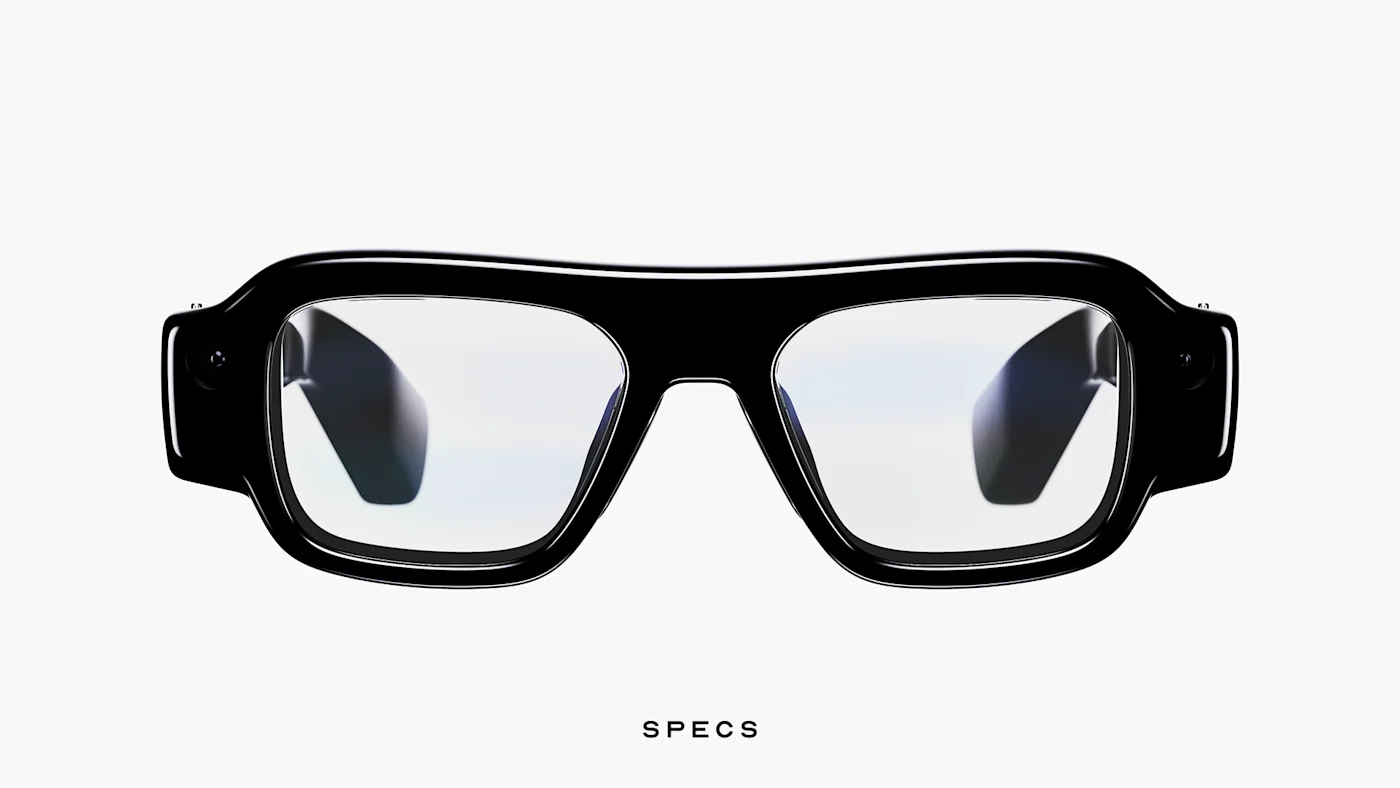
Specs is Snap’s attempt at a fully self-contained AR device, a decade after the company’s first Spectacles camera glasses shipped in 2016. Unlike those, Specs runs its own operating system, tracks hands and head movement, and projects overlays directly into the lenses rather than just recording video.
Pricing and availability
Snap is taking preorders now at Specs.com with a $200 refundable deposit; the remaining $1,995 is due when the device ships. Shipping is expected to begin later this fall, limited to the United States, the United Kingdom, and France — Snap has not announced a wider rollout or India availability.
Buyers who want the glasses to work independently of a phone need the separate SPECS Connected Case, priced at $2,395, paired with a cellular data plan starting at $10 a month for Verizon customers or $20 a month for everyone else. Snap frames Specs as a standalone computer you wear, but that framing only holds with the phone nearby for Wi-Fi tethering unless you pay extra for the case and a recurring monthly plan on top of the $2,195 sticker price.
Specifications
Snap has published a fuller spec sheet than most early AR glasses efforts, likely because half the pitch is convincing buyers the hardware is light enough to wear all day.
- Weight: 132g in the 47mm frame, 136g in the 51mm frame
- Display: proprietary LCoS optics with a 51-degree diagonal field of view and 7ms motion-to-photon latency
- Processors: two Qualcomm Snapdragon chips, one for the OS and apps, one dedicated to computer vision
- Battery: around 4 hours of mixed use per charge; the bundled charging case holds four additional recharges
- Extras: electrochromic lenses that darken to full opacity in about 10 seconds, prescription lens inserts, and a built-in AI assistant
Specs runs Snap OS, with third-party apps built as sandboxed “Lenses” through Snap’s Lens Studio. Snap’s own first-party apps cover web browsing, navigation, measurement, whiteboarding, and translation. On the enterprise side, Snap says it is working with Salesforce, Nvidia, and AWS on tools for business customers, plus mobile device management and security controls for company-issued units.
Why Snap thinks 2026 is the moment
Snap’s first Spectacles effort stalled after the company overestimated demand and was left with unsold inventory. CEO Evan Spiegel acknowledged the launch comes at an odd time for the industry.
“I will say it’s an interesting time to be launching a new computer because things in tech are pretty weird right now.”
That’s a fair summary of the moment: Meta and Google are both pushing their own smart glasses, and buyers are being asked to bet $2,195 up front on a category that has a track record of over-promising. Specs weighs roughly three times as much as ordinary sunglasses, and its 51-degree field of view is narrower than what Meta’s and Apple’s rival efforts have shown, so day-to-day comfort and how the display actually looks in use will matter more than the spec sheet once reviewers get hands-on units.
Source: Snap Newsroom, TechCrunch
