
The Noise REP Band launched in India on July 8, 2026, and it is the homegrown wearables brand’s first screenless fitness tracker. It goes straight after Whoop and Google’s Fitbit Air, but with one big twist for buyers: there is no subscription. Every health metric and the on-device AI coaching are free from day one. Pre-bookings are open now at an introductory price of ₹9,999.
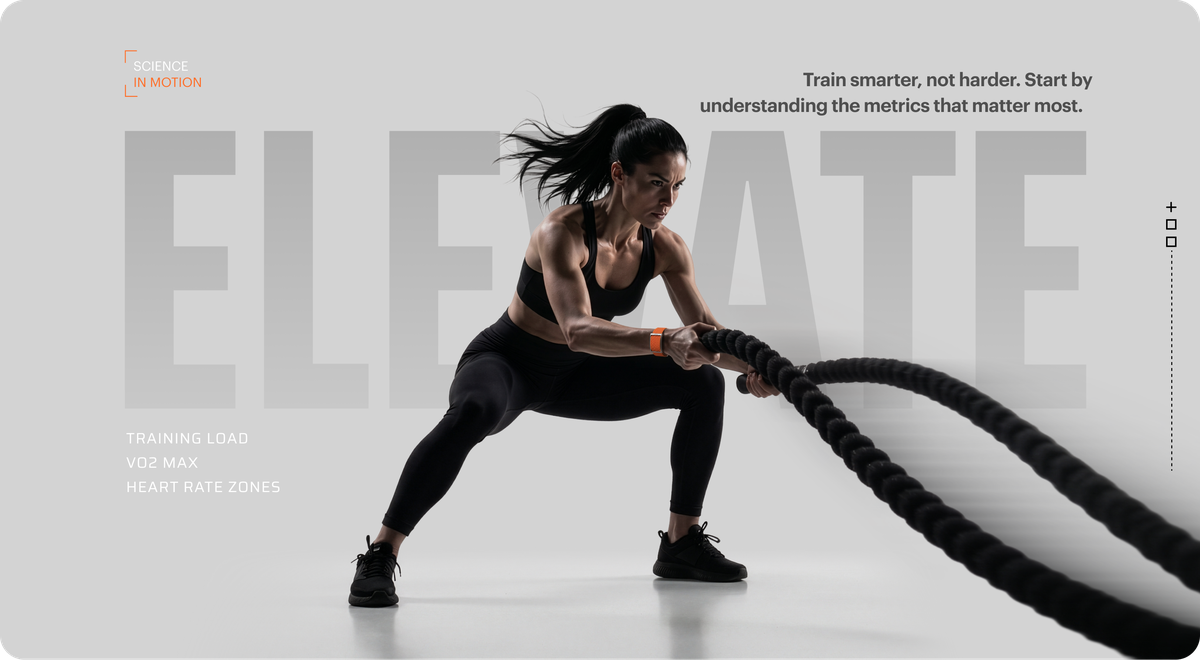
“REP” stands for Recover, Elevate, Perform, and the band groups its core health readings under that same name — three scores for Recovery, Sleep and Effort. Instead of a display, you wear it and read everything in the companion app, closer in spirit to a Whoop band than to a regular smartwatch.
Noise REP Band price in India and availability
The introductory price of ₹9,999 includes a ₹3,000 launch discount off the eventual regular price, according to Noise’s own site. That regular price is expected to settle around ₹12,999 later, so the current figure is effectively a pre-booking deal rather than a permanent one.
Pre-bookings opened on July 8, 2026 across gonoise.com, Amazon.in and Flipkart. Noise has not announced a firm shipping or delivery date yet. It comes in four colours: Vivid Orange, Navy Blue, Classic Black and Sand Beige.
No subscription: the real differentiator
This is the part that matters most to buyers. Whoop and Fitbit Air both lock their most useful health metrics behind a recurring paid plan. The Noise REP Band does not. Recovery, sleep and effort scores, HRV, stress, VO2 Max, SpO2 and the AI coaching are all included with the hardware, with nothing gated behind a monthly fee — a saving that adds up over the years.
Calibrated for Indian skin tones
Noise’s other headline claim is a genuinely India-relevant one. Optical heart-rate sensors work by shining light through the skin and reading how much bounces back, and skin tone changes how that light behaves. Many trackers are tuned largely on lighter-skinned Western test groups, which can hurt accuracy on darker skin. Noise says it calibrated the REP Band using real-world Indian population data, targeting stable readings across Fitzpatrick skin types II through VI.
The brand also reports a Bland-Altman analysis against a Polar chest strap during outdoor running that showed a mean difference of just -0.06 BPM. Worth stressing clearly: those are Noise’s own self-reported test figures, not independently verified third-party results, so treat them as a claim until reviewers weigh in.
Specifications
The REP Band is a 27-gram screenless unit with a sandblasted dual-finish stainless steel body and 5 ATM water resistance. The strap is a hypoallergenic dual-tone twill weave that is quick-dry with a one-handed clasp. Inside, a 6-axis motion engine auto-detects activities like running, walking, cycling, elliptical and rowing, while a multi-LED, four-photodiode heart-rate sensor and a skin temperature sensor handle the health side. Battery life is rated at up to 10 days per charge, and GPS is in-app (phone-assisted) rather than built in.
- Design: screenless, 27g, stainless steel body, 5 ATM water resistance
- Motion: 6-axis engine (3-axis accelerometer + 3-axis gyroscope), auto activity detection
- Heart rate: multi-LED, four-photodiode sensor (green + red + infrared)
- Extra sensors: Skin Temperature Variability monitoring
- Battery: up to 10 days per charge
- GPS: in-app, phone-assisted (no built-in chip)
On the software side, the REP framework centres on three scores — Recovery, Sleep (with 4-stage analysis) and Effort — backed by 24/7 heart rate, HRV, stress, VO2 Max, stamina, respiratory rate and SpO2. Noise pegs the total at “40+ biomarkers.” The AI layer generates a daily “Highlights” readout by cross-referencing your sleep quality against physiological stress data. It all runs through the NoiseFit app on Android and iOS, and syncs with Strava, Apple Health and Google Health/Fit.
For another recent India release, see our coverage of the Dreame L50 Plus and L50 launched in India.
Sources: Noise, Gizbot, Beebom, Notebookcheck
