
Apple Upgrade is the name of a new device-leasing program that Apple is reportedly preparing to launch on July 28, 2026, in partnership with the “buy now, pay later” firm Klarna. According to Bloomberg’s Mark Gurman, who broke the story on July 21, the plan would let customers lease iPhones, iPads, Macs, and Apple Watches for a monthly payment, and it would replace the current iPhone Upgrade Program. Apple has not announced any of this itself, so treat every detail here as a report rather than confirmed fact.
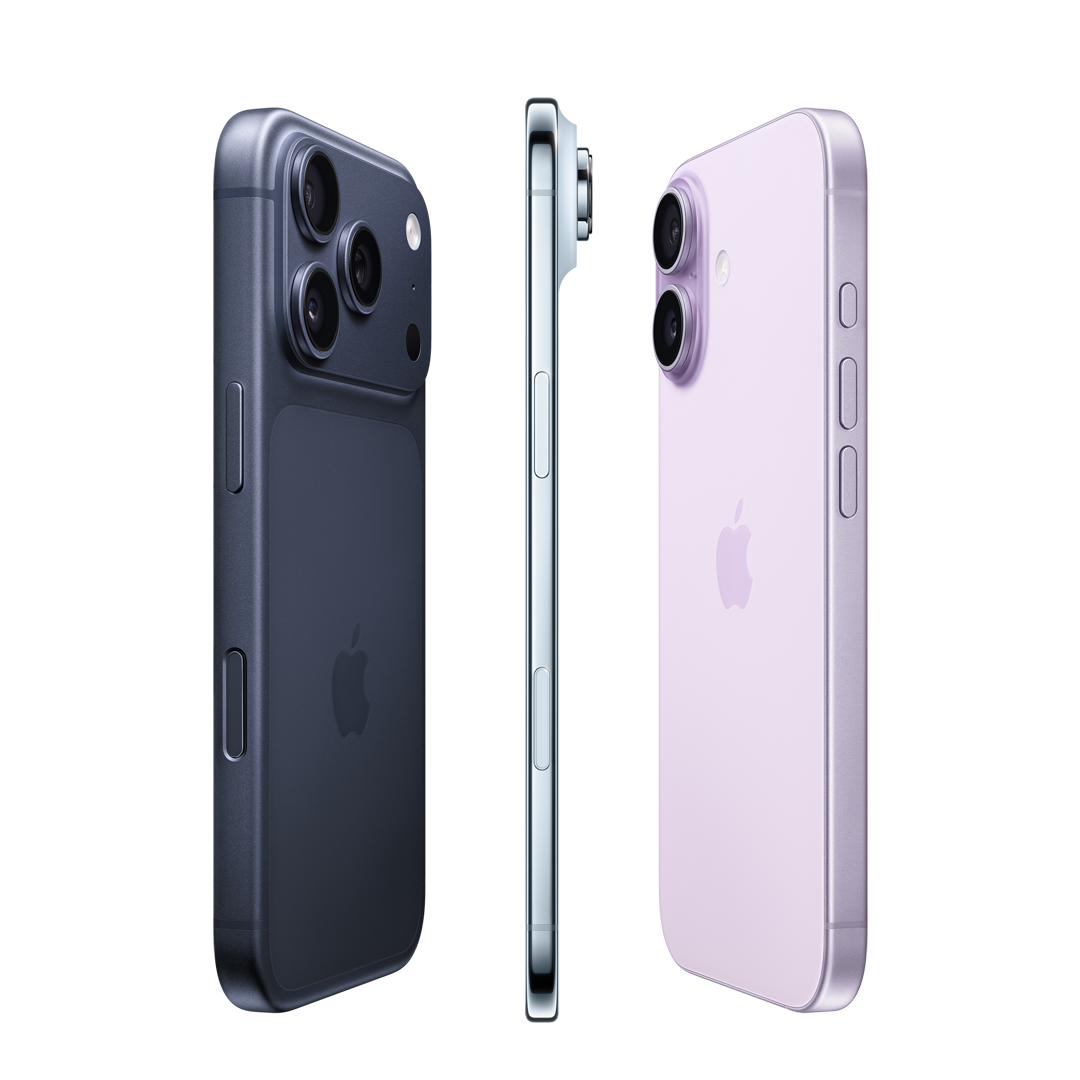
What Apple Upgrade is reportedly offering
Per Gurman’s reporting, the program would go live through Apple’s retail stores and website, and it is United States only at launch. No international or India availability has been reported, so Indian buyers should not expect this any time soon. Klarna would run a soft credit check on applicants and finance the lease behind the scenes. Apple is also reported to stop taking new sign-ups to the current iPhone Upgrade Program once Apple Upgrade goes live; the reporting does not say what happens to people already enrolled.
- Devices: most iPhone, iPad, Mac, and Apple Watch models
- Lease term: 24 months for iPhone and Apple Watch; 36 months for iPad and Mac
- End of term: pay off the remaining balance to keep the device, return it, or upgrade early to a newer model — some of these transactions may carry extra fees
- Financing: handled by Klarna, gated by a soft credit check
One reported change matters more than the marketing will let on: unlike today’s iPhone Upgrade Program, Apple Upgrade would not automatically include AppleCare+. That detail comes from AppleInsider. If you want coverage, you would buy it separately — and, as we covered when AppleCare+ got pricier again, that is not a small add-on anymore. Read the fine print before assuming this is a straight upgrade over the current program.
Which devices are left out
The cheapest model in each category is reportedly excluded: the iPhone 16, the base iPad, the Apple Watch SE, and the MacBook Neo. That is telling. A financing program that skips the entry-level hardware is not built to make Apple more affordable for budget buyers — it is built to pull Apple’s most profitable, premium customers onto a faster, 24-month upgrade rhythm. Coverage links the move to softening iPhone demand and longer replacement cycles, with buyers now holding phones for three-plus years.
What it means for your wallet
Strip away the convenient monthly pricing and this is a lease, not a purchase. You do not own the device unless you keep paying past the term or settle the balance — the structure is designed to keep you on a rolling payment cycle rather than owning hardware outright. The soft credit check underlines the point: this is consumer financing, even if it is sold as easy monthly payments. It is also worth remembering that Apple reportedly shelved its own in-house subscription plan back in 2024; outsourcing the financial risk to Klarna gets it a similar result without carrying the credit exposure itself.
None of that makes leasing a bad deal for everyone. A lower monthly outlay and painless upgrades genuinely suit some people. But the trade is real — you give up ownership, bundled AppleCare+, and a debt-free purchase. Indian buyers, for context, already have no-cost and standard EMI options through their banks and Apple’s retail partners, which at least end in you owning the device. Weigh what Apple Upgrade takes away before the monthly figure does the deciding for you.
Sources: Bloomberg (Mark Gurman), AppleInsider
